
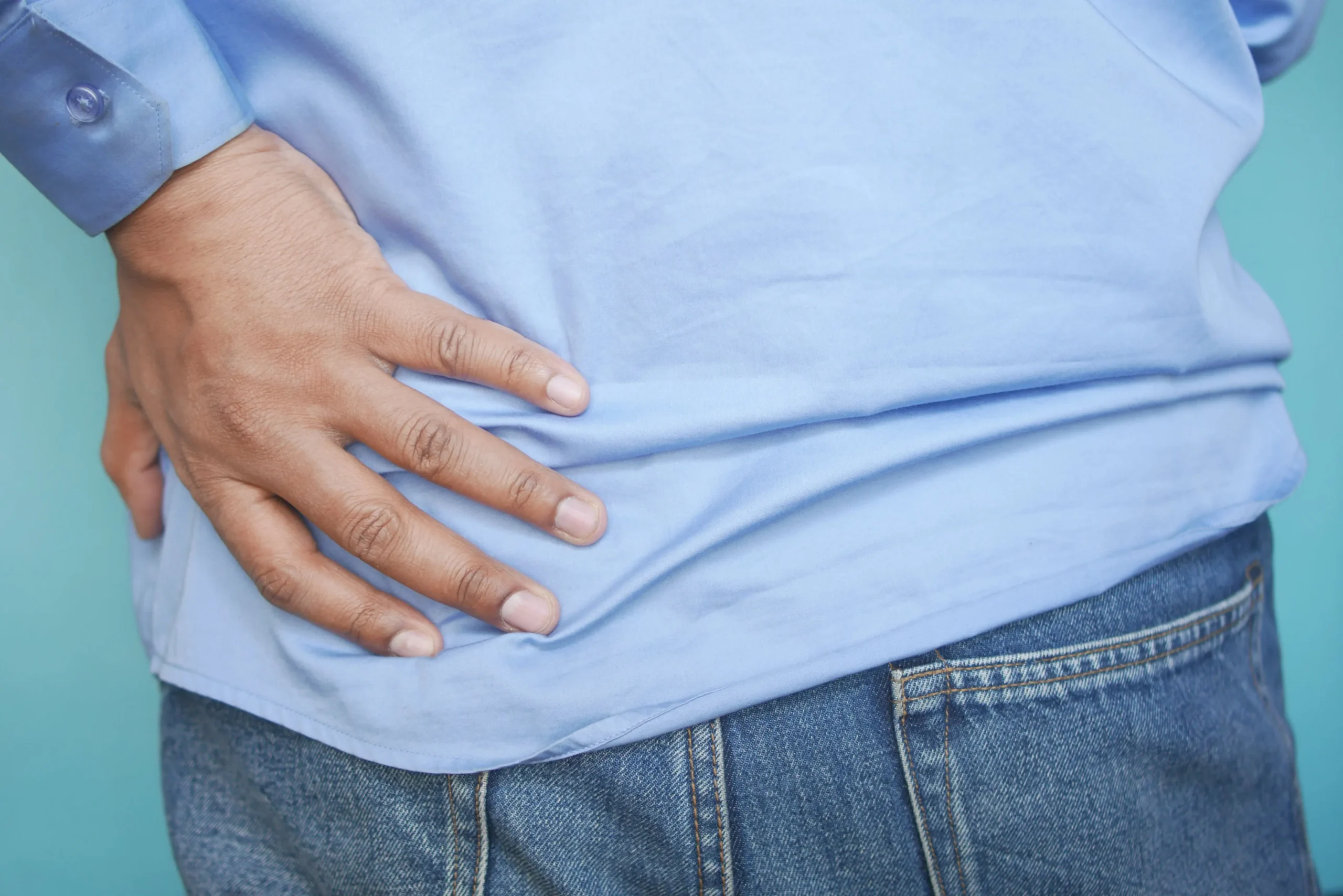
Are you tired of enduring chronic hip pain that limits your mobility and diminishes your quality of life? At the Institute of Orthopedics, Spine, and Sports, our state-of-the-art center specializes in providing tailored hip pain treatment that is second to none.
With our advanced treatment techniques and personalized care, we can effectively alleviate your hip pain, ensuring a seamless return to your everyday activities with confidence and ease.
What Are the Common Causes of Hip Pain?
Hip pain is a complex issue with various potential causes, such as:
- Osteoarthritis: This degenerative joint disease occurs when the cartilage that cushions the bones wears down over time. The resulting friction can lead to pain, inflammation, and stiffness in the hip joint.
- Rheumatoid Arthritis: An autoimmune disorder where the immune system attacks the synovium—the lining of the joints—leading to inflammation, pain, and potential joint deformity in the hips.
- Bursitis: Inflammation of the bursae (fluid-filled sacs that cushion the bones, tendons, and muscles) near the hip joint. It often results from repetitive movements or pressure on the joint, leading to pain and swelling.
- Tendinitis: Inflammation of the tendons that attach muscles to bones, often due to overuse or sudden injuries. It can cause hip pain, reduced range of motion, and discomfort.
- Muscle Strains: Overexertion, sudden movements, or inadequate warm-up before exercise can strain the muscles surrounding the hip joint, resulting in pain and stiffness.
- Hip Fractures: Commonly caused by trauma or falls, especially among the elderly, hip fractures require immediate medical attention and often lead to severe pain.
A thorough evaluation by a healthcare professional will help pinpoint the underlying issue and guide your path to recovery.
How Can One Relieve Hip Pain at Home?
While seeking professional advice is important, there are home remedies that can offer relief. Rest, applying ice or heat, and over-the-counter pain medications can help manage mild to moderate pain. Additionally, gentle exercises that focus on hip mobility and strength may contribute to recovery.
When should I seek medical attention for hip pain?
While professional treatment is important, several home remedies can provide relief for mild to moderate hip pain:
- Rest: Allow your body to recover by avoiding activities that exacerbate the pain.
- Ice or Heat: Applying ice or heat packs can reduce inflammation and soothe discomfort.
- Over-the-Counter Pain Relievers: Non-prescription medications like ibuprofen or acetaminophen can help manage pain.
- Gentle Exercises: Focus on exercises that improve hip mobility and strength to promote healing and reduce stiffness.
Always consult with your healthcare provider before trying any new treatments at home.
When Should You Seek Medical Attention for Hip Pain?
Seek medical attention if you experience persistent or intense hip pain, particularly if it is accompanied by swelling, redness, or warmth around the hip joint. Symptoms could indicate inflammation or infection, requiring immediate evaluation.
If the pain is the result of a sudden injury or trauma, such as a fall, it’s important to seek medical help right away. Early intervention can help prevent further damage and ensure a comprehensive treatment approach for faster recovery.
Non-Surgical Treatments for Hip Pain
Several non-surgical treatments can help manage hip pain effectively:
- Corticosteroid Injections: Anti-inflammatory injections that help reduce swelling and pain, especially for conditions like osteoarthritis and bursitis. The effects can last for weeks or even months.
- Joint Supplements: Supplements like glucosamine and chondroitin can support joint health and slow cartilage degeneration.
- Lifestyle Modifications: Maintaining a healthy weight and avoiding activities that strain the hips are crucial for long-term pain management.
Non-surgical treatments, combined with a proactive approach to hip health, can significantly improve your mobility and quality of life.
What Are the Surgical Options for Hip Pain?
When conservative treatments fail, surgical options may be necessary. Some of the most common procedures include:
- Hip Arthroscopy: A minimally invasive procedure that allows the surgeon to examine the hip joint and treat certain conditions without the need for a large incision.
- Hip Resurfacing: A procedure that involves removing damaged bone and cartilage and replacing it with a metal surface to restore joint function.
- Total Hip Replacement: In cases of severe arthritis or hip damage, replacing the damaged joint with an artificial one can provide lasting relief.
Consulting with an orthopedic surgeon is essential to determine the best surgical option based on the severity of your condition, age, and overall health.
Can Diet Impact Hip Pain?
Yes, diet plays a significant role in managing hip pain. A diet rich in anti-inflammatory foods, such as omega-3 fatty acids (found in fish) and antioxidants (found in fruits and vegetables), can help reduce inflammation associated with hip pain.
A nutritionist can help create a personalized diet plan that supports joint health and overall well-being, potentially reducing pain and enhancing your treatment plan.
What Role Does Exercise Play in Hip Pain Treatment?
Exercise is vital for both managing and preventing hip pain. Low-impact activities like swimming or cycling, along with targeted hip-strengthening exercises, can improve flexibility, reduce pain, and prevent further injury.
Working with a physiotherapist to create a customized exercise plan tailored to your specific needs will enhance your mobility and provide long-term relief.
Conclusion: Taking Control of Your Hip Health
Prevention is key to maintaining hip health. Regular exercise that includes both cardiovascular and strength training, maintaining a healthy weight, and practicing good posture are essential to preventing hip pain.
Avoiding repetitive stress or overuse, especially during physical activities, will also help reduce the risk.
Take Control of Your Hip Health Today
Taking charge of your hip health begins with understanding your pain and exploring the various treatment options available. By working with a medical professional, you can develop a personalized plan that addresses your specific needs, whether through non-surgical treatments, lifestyle modifications, or surgical intervention.
If you’re ready to regain your mobility and live pain-free, contact us today to schedule a consultation.