
Joint pain often begins quietly. A little stiffness in the morning. Mild discomfort after activity. Over time, those small signals can grow into daily pain that affects how you move, sleep, and function. Many people live with these symptoms for years without realizing they’re dealing with a broader condition known as arthropathy.
Understanding arthropathy treatment begins with recognizing that joint pain typically fluctuates over time. It evolves. Without proper care, the underlying changes within the joint can progress, resulting in more persistent symptoms and reduced mobility.
The good news is that worsening pain is not inevitable. With the right knowledge and approach, it’s possible to slow progression, manage symptoms, and protect long-term joint health.

Understanding Arthropathy and Joint Pain Progression
What Arthropathy Really Means
Arthropathy is a general term used to describe diseases or disorders that affect joints. While many people use “arthritis” to describe joint pain, arthropathy encompasses a broader range of conditions that involve cartilage, bone, ligaments, and surrounding tissues.
Arthropathy can develop due to wear and tear, inflammation, injury, or mechanical stress. It may affect one joint or multiple joints and can involve areas such as the spine, hips, knees, shoulders, or smaller joints in the hands and feet. The way arthropathy progresses depends on the type, location, and how early it’s addressed.
Why Joint Pain Often Worsens Over Time
Joint pain rarely escalates overnight. Instead, it progresses through gradual structural and functional changes that compound if left unaddressed.
1. Cartilage Breakdown
Healthy cartilage cushions the ends of bones, allowing joints to move smoothly. Over time, repeated stress, injury, or degeneration can cause cartilage to thin or deteriorate. As cushioning decreases, friction increases. That friction contributes to pain, stiffness, and reduced mobility.
2. Persistent Inflammation
Inflammation is a natural part of the body’s healing response. In arthropathy, inflammation may become chronic. Ongoing swelling within the joint increases pressure, limits movement, and accelerates tissue damage. Chronic inflammation also heightens pain sensitivity, making symptoms feel more intense over time.
3. Changes in Joint Mechanics
As joints become painful, people unconsciously adjust their movement. These compensations place extra stress on surrounding joints and muscles. Over time, altered movement patterns can exacerbate joint instability and lead to pain in other areas.
4. Nerve Sensitization
Joint structures sit close to nerves. As arthropathy progresses, inflammation or joint changes may irritate nearby nerves. This can amplify pain signals, create radiating discomfort, or cause symptoms such as tingling, burning, or weakness.
Early Signs That Often Go Ignored
One reason arthropathy progresses is that early warning signs are easy to dismiss. Many people assume these symptoms are temporary or a normal part of aging.
Common early indicators include:
- Morning stiffness that lasts longer than expected
- Mild swelling after routine activity
- Clicking, popping, or grinding sensations
- Reduced range of motion
- Lingering soreness after standing or walking
These signs suggest that the joint is under stress. Addressing them early can help prevent more advanced damage.
How Arthropathy Begins to Affect Daily Life
As joint changes accumulate, pain begins to influence everyday routines.
1. Mobility Challenges
Simple movements such as climbing stairs, standing from a seated position, or reaching overhead may feel more difficult. Pain can reduce confidence in movement, leading people to avoid activity altogether.
2. Sleep Disruption
Joint pain often intensifies at night due to reduced movement and increased inflammation. Poor sleep contributes to fatigue, slower healing, and heightened pain perception during the day.
3. Mental and Emotional Strain
Living with ongoing pain affects more than just the body. Frustration, stress, and concern about future mobility are common. Over time, these emotional factors can increase muscle tension and worsen physical symptoms.
Why Arthropathy Shouldn’t Be Left Untreated
Ignoring joint pain does not make it disappear. Without intervention, arthropathy can continue to progress, increasing the risk of chronic pain, joint instability, and functional limitations. Early evaluation enables the implementation of targeted strategies that protect joint health and minimize long-term consequences.
Arthropathy treatment focuses on slowing progression, reducing inflammation, managing pain, and supporting joint function. Addressing symptoms early provides more options and better outcomes.
How Arthropathy Is Diagnosed
Accurate diagnosis is one of the most important steps in managing arthropathy. Joint pain can originate from cartilage damage, inflammation, mechanical stress, or nerve involvement. Without identifying the primary pain driver, treatment may be ineffective or incomplete.
Evaluation typically begins with a comprehensive medical history and a thorough physical examination. Providers assess joint movement, stability, swelling, and pain patterns. They may ask when the symptoms began, what triggers them, and how they impact daily function.
Imaging plays a key role. X-rays help identify joint space narrowing, bone changes, or alignment issues. MRI scans provide detailed views of cartilage, soft tissue, and nerve involvement. These tools help clarify the extent of joint damage and guide treatment decisions.
In some cases, diagnostic injections are used to isolate the source of pain. By temporarily numbing a specific joint or nerve, providers can confirm whether that structure is contributing to symptoms. This approach improves accuracy and prevents unnecessary treatments.
Why Early Diagnosis Matters
Delaying evaluation often leads to worsening joint damage and fewer treatment options. Early diagnosis allows for interventions that slow progression rather than simply reacting to advanced pain.
When arthropathy is addressed early:
- Inflammation can be controlled before it becomes chronic
- Joint mechanics can be preserved
- Compensatory movement patterns can be corrected
- Pain becomes easier to manage
Waiting until pain becomes constant or severe often requires more aggressive intervention. Early care supports long-term joint health.
Non-Surgical Approaches to Arthropathy Treatment
Many people assume joint pain automatically leads to surgery. In reality, a wide range of non-surgical options can effectively manage arthropathy and delay or prevent the need for surgical intervention.
1. Injection-Based Therapies
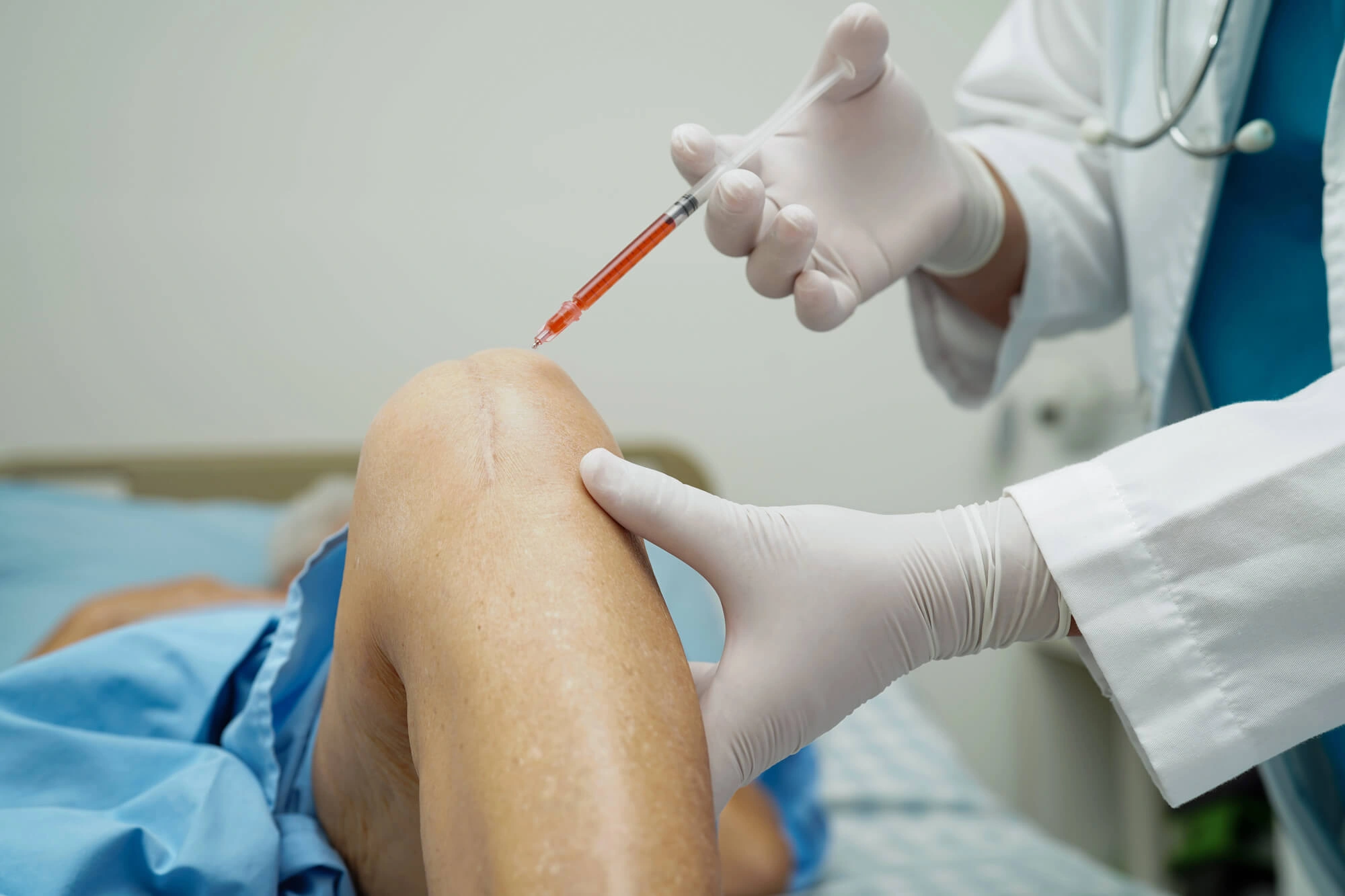
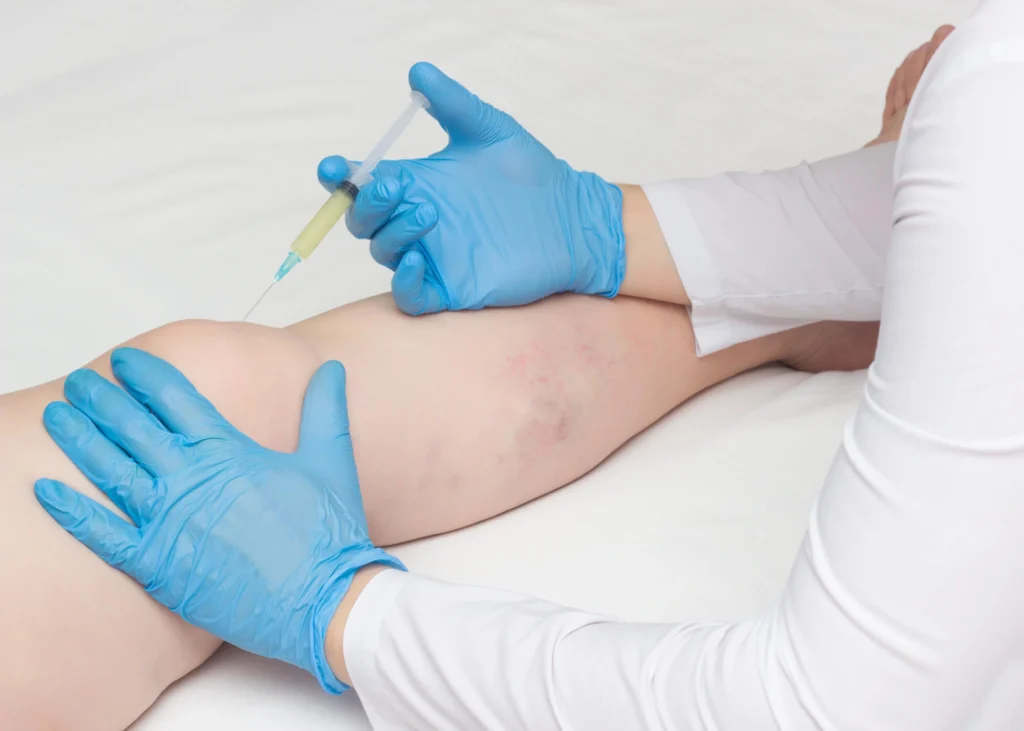
Joint injections are commonly used to reduce inflammation and improve mobility. These treatments deliver medication directly to the affected area, limiting systemic side effects while targeting pain at its source.
Options include injections for:
- Large joints such as knees and hips
- Spinal joints affected by degenerative changes
- Smaller joints contributing to movement limitations
These treatments can alleviate pain, enhance function, and enable patients to remain active while promoting joint health.
2. Nerve-Targeted Interventions
As arthropathy progresses, nerves near affected joints may become irritated. This often leads to radiating pain, heightened sensitivity, or discomfort that feels disproportionate to movement.
Nerve-focused treatments aim to interrupt pain signaling rather than masking symptoms. These approaches may involve:
- Targeted nerve injections
- Diagnostic nerve blocks to confirm pain sources
- Procedures designed to reduce long-term nerve irritation
By addressing nerve involvement, patients often experience improved pain control and reduced reliance on medication.
3. Advanced Pain Modulation Techniques
For individuals with chronic joint pain that does not respond to standard treatments, advanced pain modulation may be considered. These options focus on altering how pain signals are transmitted and perceived rather than modifying joint structure alone.
Trial-based therapies allow patients to assess effectiveness before committing to long-term solutions. This approach ensures personalized care while minimizing risk.
The Role of Precision in Joint Care
Accuracy matters when treating arthropathy. Image-guided procedures improve precision, reduce complications, and enhance outcomes. Techniques that utilize ultrasound or real-time imaging enable providers to visualize joints, nerves, and surrounding tissues during treatment.
Precision-based care ensures:
- Medication reaches the intended target
- Nearby structures are protected
- Treatment effectiveness is maximized
This level of accuracy supports better pain relief and functional improvement.
Lifestyle Factors That Influence Joint Health
Medical treatment is most effective when combined with supportive lifestyle adjustments. These changes help protect joints and improve overall outcomes.
1. Movement and Strength
Consistent, low-impact movement keeps joints nourished and muscles engaged. Strengthening the muscles that support affected joints reduces strain and improves stability. Activities should be tailored to individual ability and comfort levels.
2. Weight and Load Management
Excess weight increases stress on joints, particularly in the hips, knees, and spine. Even modest weight reduction can significantly decrease joint pressure and improve pain levels.
3. Posture and Daily Mechanics
Poor posture places uneven stress on joints and accelerates degeneration. Small adjustments in sitting, standing, and lifting habits can reduce strain and prevent further damage.
4. Inflammation Awareness
Hydration, balanced nutrition, and adequate rest support joint health. Recognizing early flare-ups and responding appropriately helps prevent prolonged inflammation.
Common Misconceptions That Delay Care
Several myths about joint pain and arthropathy cause people to delay treatment, often leading to unnecessary discomfort and reduced mobility.
MYTH 1: “Joint pain is just part of getting older.”
While age can affect joints, ongoing or worsening pain isn’t inevitable and shouldn’t be ignored.
MYTH 2: “Rest is always the best solution.”
Excessive rest can weaken muscles and increase stiffness, making joint pain more difficult to manage.
MYTH 3: “If it hurts, I should stop moving altogether.”
Avoiding movement often leads to reduced mobility and greater discomfort over time.
MYTH 4: “Surgery is the only real treatment.”
Many joint conditions can be effectively managed with non-surgical approaches that reduce pain and support joint function.
MYTH 5: “Pain is something you just have to live with.”
Persistent joint pain often signals an underlying issue that can be addressed with proper care. Understanding these misconceptions can help individuals seek timely evaluation, explore suitable treatment options, and adopt a more proactive approach to joint health.
When Surgery Is Considered
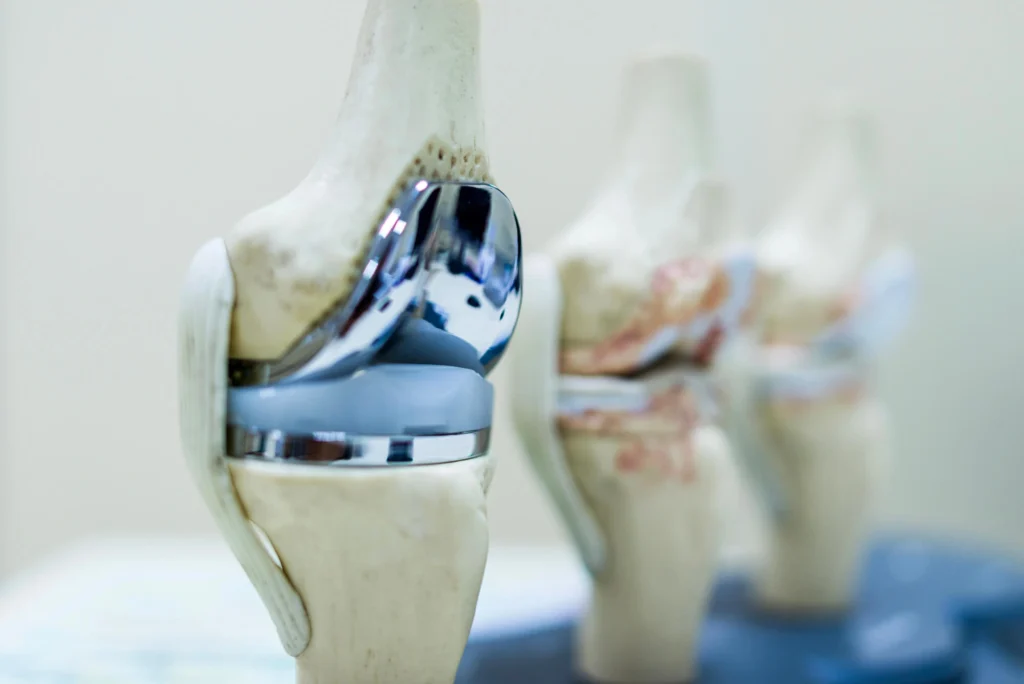
Surgery may be appropriate in certain cases, particularly when joint damage causes severe instability, nerve compression, or loss of function. However, many people manage arthropathy successfully without surgery through targeted interventions and ongoing care.
Exploring non-surgical options first allows patients to preserve joint structure while maintaining mobility.

Living Well With Arthropathy: What You Can Do Now
Living with arthropathy does not mean resigning yourself to worsening pain or shrinking mobility. While joint changes may be progressive, how you respond to them plays a major role in long-term outcomes. Proactive management helps preserve function, reduce flare-ups, and maintain independence.
One of the most important steps is recognizing that pain is a form of information, not something to be ignored or suppressed. Responding early allows for more flexibility in care and better control over symptoms.
Building a Sustainable Daily Routine
Daily habits shape how joints feel over time. Small, consistent adjustments often provide meaningful relief.
Protecting Joints During Movement
Joint-friendly movement keeps cartilage nourished and muscles engaged. Low-impact activities such as walking, swimming, and controlled strength training reduce stiffness without overloading joints. Consistency matters more than intensity.
Avoid sudden increases in activity or repetitive strain. Gradual progression allows joints to adapt without triggering inflammation.
Strengthening for Stability
Strong muscles act as shock absorbers. When the muscles surrounding a joint are weak, stress is transferred directly to the joint surfaces. Targeted strengthening improves joint alignment and reduces mechanical strain.
Core strength is especially important for spinal and hip-related arthropathy. Stable core muscles support posture and reduce unnecessary joint loading throughout the day.
Managing Flare-Ups Effectively
Flare-ups are common with arthropathy. How they’re handled can determine how long symptoms last.
During flare-ups:
- Reduce high-impact or repetitive activity
- Use short periods of rest without full inactivity
- Apply heat or cold depending on comfort and swelling
- Focus on gentle range-of-motion exercises
Ignoring flare-ups often leads to prolonged pain. Addressing them early helps restore balance faster.
Understanding the Role of Ongoing Care
Arthropathy management is rarely a one-time fix. Ongoing care focuses on adapting treatment as symptoms change. This approach prevents minor issues from becoming major setbacks.
Regular reassessment allows providers to:
- Adjust treatment strategies
- Address new pain patterns early
- Prevent compensatory injuries
Care plans evolve in tandem with your condition, supporting long-term quality of life.
Why Pain Patterns Matter
Pain location, timing, and triggers provide valuable clues. Joint pain that worsens after activity may point to mechanical stress. Pain that persists at rest often involves inflammation or nerve irritation. Radiating pain may suggest nerve involvement.
Tracking these patterns helps guide treatment decisions. Noticing changes early allows interventions to stay targeted and effective.
Reducing the Emotional Toll of Chronic Joint Pain
Arthropathy affects more than physical movement. Ongoing pain often impacts mood, sleep, and motivation. Acknowledging this connection is an important part of care.
Stress increases muscle tension, which can worsen joint discomfort. Sleep disruption intensifies pain sensitivity. Addressing emotional well-being alongside physical symptoms improves overall outcomes.
Support may include:
- Stress-management techniques
- Sleep hygiene adjustments
- Gradual return to enjoyable activities
Managing pain is not only about joints—it’s about restoring confidence in movement.
Avoiding Common Pitfalls
Many people unintentionally worsen symptoms through well-meaning choices.
Over-resting weakens muscles. Ignoring pain delays care. Relying solely on temporary relief allows progression. These patterns often develop out of uncertainty, not neglect.
Education empowers better decisions. Understanding arthropathy allows individuals to take control rather than react to pain.
Are You Considering Arthropathy Treatment?
Arthropathy doesn’t have to dictate your future. Joint pain can worsen if left unaddressed, but with timely evaluation and targeted care, many individuals can effectively manage their symptoms and maintain mobility.
If joint pain affects your daily life, it’s time to explore personalized treatment options. A thorough evaluation can identify the causes of your pain and support joint health.
Consider reaching out to iOSS Medical for individualized, non-surgical care designed to reduce pain and enhance joint function, allowing you to move with comfort and confidence.