

Back pain is something most people face at some point, but how do you know when it’s more than just a pulled muscle or a poor night’s sleep? The reality is that some back pain can signal deeper issues requiring expert attention. If you’re searching for back pain treatment near me, chances are you’re not just looking for answers — you’re looking for peace of mind.
Common Causes of Back Pain That Usually Aren’t Serious

Not all back pain signals a serious condition. Many cases improve with rest, movement, and time. Below are some of the most common causes of back pain that are uncomfortable but usually manageable.
1. Muscle Strain or Sprain
Strained muscles or ligaments are among the top reasons people experience back pain. Overexerting yourself, twisting awkwardly, or lifting something too heavy can stress your back. This type of pain tends to be dull or achy and usually improves with rest, gentle stretching, and movement. Although unpleasant, it typically doesn’t indicate long-term damage.
2. Poor Posture and Sedentary Habits
Slouching at a desk, hunching over a phone, or sitting for long periods can compress spinal structures and weaken back muscles. Over time, poor posture contributes to soreness and stiffness in the back and neck. Fortunately, these symptoms often improve once you adjust your workstation, move more frequently, and stretch throughout the day.
3. Age-Related Changes
As we age, natural wear and tear on the spine can lead to degenerative disc disease, spinal arthritis, or joint inflammation. These conditions may cause persistent aches or stiffness, but are rarely emergencies. They can usually be managed with non-surgical interventions like physical therapy, low-impact exercise, or therapeutic injections.
4. Mild Herniated Discs
A disc that bulges out of place may not always press on a nerve. These herniations can exist without severe symptoms and often respond well to rest, anti-inflammatory medications, or physical therapy. Medical attention may help, but it’s not always urgent.
Red Flags – Signs Your Back Pain Might Be Serious
While many types of back pain are manageable, some signs point to more serious underlying issues that need medical evaluation. If any of the symptoms below sound familiar, consider seeking care as soon as possible.
1. Numbness, Tingling, or Weakness
If your back pain is accompanied by numbness, tingling, or a loss of strength, especially in the legs or feet, it may indicate that a spinal nerve is compressed. This could be due to a herniated disc, spinal stenosis, or another condition affecting your nervous system. When left untreated, this type of nerve involvement could lead to permanent damage or mobility issues.
2. Loss of Bowel or Bladder Control
A sudden inability to control bowel or bladder function is a medical emergency. It may be a sign of cauda equina syndrome, a rare condition that compresses the bundle of nerves at the base of the spinal cord. If you also experience numbness in your inner thighs or saddle region, seek emergency care immediately.
3. Persistent, Unrelenting Pain
Back pain that doesn’t improve after a few weeks, gets worse over time, or disturbs your sleep may be a sign of something more serious than a strained muscle. Constant or worsening pain should be evaluated, particularly if it doesn’t respond to at-home treatments.
4. Fever, Chills, or Sudden Weight Loss
If you’re experiencing fever, unexplained weight loss, or general illness alongside your back pain, it could signal an infection, inflammatory disease, or even cancer. These symptoms should never be ignored and require medical testing to rule out serious causes.
5. History of Cancer or Osteoporosis
If you’ve previously had cancer, new back pain could mean that the cancer has metastasized to your spine. Similarly, individuals with osteoporosis are at higher risk of compression fractures, even from small movements. Both situations require prompt medical review.
6. Recent Injury or Trauma
Back pain following an accident, fall, or sports injury could indicate fractures or disc damage, especially in older adults. Even if the pain shows up a few days later, it’s worth investigating with a provider.

Understanding Back Pain by Region
The location of your pain can offer helpful clues about its source and severity.
Lower Back (Lumbar Spine)
This is the most common area for back pain. It supports most of your body’s weight and is vulnerable to muscle strain, disc herniation, and arthritis. Pain here is often mechanical—meaning it’s related to movement or positioning—and usually treatable with conservative care.
Middle Back (Thoracic Spine)
Thoracic pain is less common and can sometimes be more concerning. Because this area is connected to the rib cage and internal organs, pain here could be linked to posture, spinal conditions, or even referred pain from other systems. If mid-back discomfort is severe or persistent, medical evaluation is warranted.
Upper Back and Neck (Cervical Spine)
Neck pain that radiates into the shoulders or arms may indicate a pinched nerve or cervical disc issue. Tingling, weakness, or arm pain can also indicate nerve involvement and shouldn’t be ignored.
When to See a Doctor or Specialist
Sometimes, it’s hard to know when back pain is abnormal and concerning. Here’s how to tell when it’s time to see a medical provider.
Persistent Pain Beyond 2–4 Weeks
If your symptoms last longer than a few weeks with no signs of improvement, it’s a good idea to have them evaluated. Chronic pain can affect your daily life and may need more than just rest to resolve.
Pain That Affects Daily Activities
If your discomfort limits your ability to walk, sit, sleep, or work, your quality of life is at risk. Medical guidance can help identify the source and provide targeted relief.
What to Expect During an Evaluation
Your provider will perform a physical exam, ask questions about your symptoms, and may order imaging tests such as an MRI or X-ray. You may be referred to a pain management specialist or orthopedic expert for advanced care from there.

Safe Home Remedies and Self-Care
Before jumping to advanced treatments, it’s worth trying safe at-home techniques to manage mild pain.
Ice and Heat Therapy
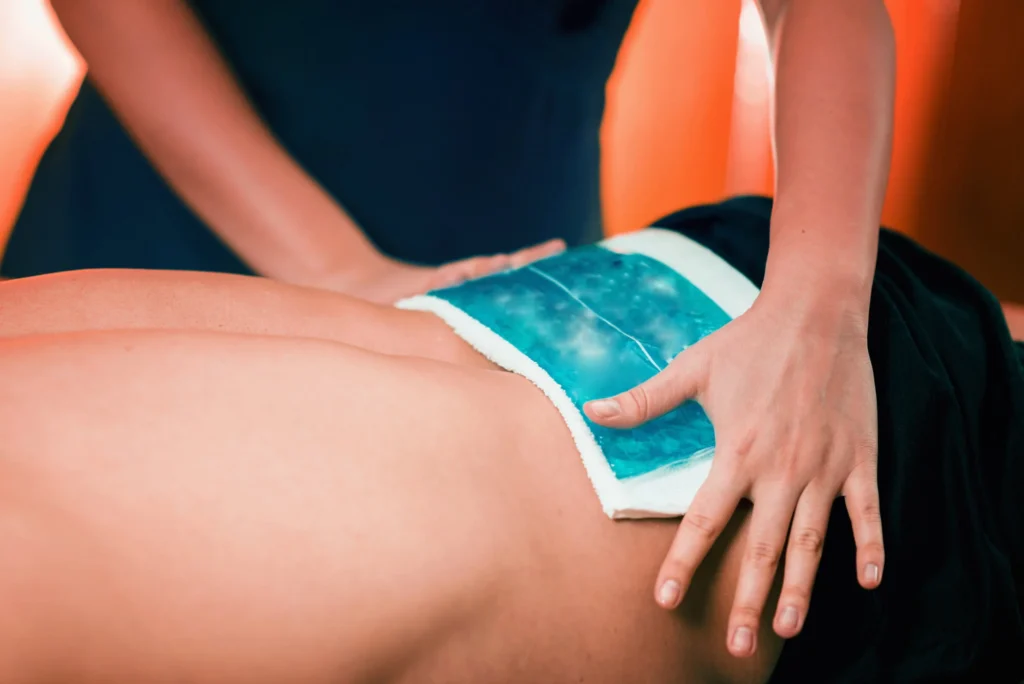
Ice helps reduce inflammation in the first 48 hours after injury. After that, heat can soothe muscle tightness. Apply ice for 15–20 minutes at a time, several times per day, depending on what feels better for you.
Gentle Movement and Activity
Avoid prolonged bed rest. Light activity, such as walking or gentle stretching, helps circulation and supports healing. Staying in motion prevents stiffness and reduces the risk of future flare-ups.
Ergonomic Adjustments
Evaluate your environment. Use a chair with proper lumbar support. Position screens at eye level. Consider a standing desk if you’re sedentary for long hours.
Over-the-Counter Medications
NSAIDs like ibuprofen or naproxen reduce inflammation and provide relief. Be cautious with long-term use, especially if you have other health conditions.
Treatment Options for Serious or Chronic Back Pain
If your back pain hasn’t improved with rest or self-care, you’re not out of options. Today’s treatments go far beyond pills and rest. Many people find relief through non-surgical, minimally invasive, safe, and effective solutions. The right treatment depends on your diagnosis, pain severity, and daily needs.
1. Physical Therapy
A personalized physical therapy plan can make a major difference. Targeted stretches and strengthening exercises improve spinal support, mobility, and posture. This is often the foundation of care for chronic pain, especially when combined with ergonomic changes or home exercise routines. Therapists also guide you through posture correction and core stabilization techniques —essential to long-term relief.
2. Injection-Based Treatments
These advanced, image-guided therapies are designed to reduce inflammation, block pain signals, and identify the precise source of your discomfort. They’re commonly used in cases where pain stems from the spine, joints, or surrounding soft tissues.
- Epidural Steroid Injections: These injections reduce inflammation near spinal nerves, relieving pain caused by herniated discs or spinal stenosis. They’re often used when leg pain (sciatica) radiates from the lower back.
- Medial Branch Blocks: Used to numb the small nerves around spinal facet joints. These blocks also help diagnose the origin of your pain. If you respond well, longer-term solutions like radiofrequency ablation may follow.
- Facet Joint Injections: These target arthritic or inflamed joints in the spine using a combination of local anesthetic and steroid to reduce stiffness and inflammation. Relief may be immediate or take a few days to settle in.
- Radiofrequency Ablation (RFA): This minimally invasive procedure uses heat to disable overactive nerves in the spine that transmit pain signals. Relief can last six months or longer and is ideal for people with chronic facet-related pain.
- Joint Injections (All Major Joints): If your pain extends beyond the back into your hips, knees, or shoulders, corticosteroid injections can help reduce swelling and improve function.
- Peripheral Nerve Injections: These injections calm irritated nerves outside the spinal cord. Commonly used for nerve entrapment syndromes or radiating pain into limbs, they can significantly improve comfort and range of motion.
- Tendon and Ligament Injections: Helpful in tendonitis, sprains, or sports-related injuries, these injections reduce inflammation and support healing in soft tissues around the spine.
- Trigger Point Injections: Trigger points are tight, sensitive muscle knots. These injections release tension and reduce referred pain that spreads to nearby areas, often resulting in noticeable relief in one or more sessions.
- Tailbone Injections: Coccydynia, or tailbone pain, can be managed through targeted injections to relieve inflammation and restore comfort while sitting. These are especially useful when conservative measures fail.
3. Image-Guided Precision Techniques
- Ultrasound-Guided Injections: These are ideal for soft tissue injuries and smaller joints. Ultrasound allows clinicians to guide the injection with real-time visualization, increasing safety and accuracy without radiation exposure.
- X-ray (Fluoroscopic) Guided Injections: Used for spinal injections, fluoroscopy ensures precise needle placement in complex anatomical regions, minimizing risk and improving results.
4. Spinal Cord Stimulator Trials
For patients with chronic nerve-related pain that hasn’t responded to other treatments, spinal cord stimulation may be a powerful option. A temporary device is implanted under the skin to send low-level electrical impulses to the spine. These impulses interfere with the transmission of pain signals to the brain.
During the trial phase, patients wear the device for a week or more. If they experience meaningful relief, a permanent stimulator may be implanted. This technology has helped many people reduce or eliminate their reliance on medication.
Back Pain Treatment: What to Look For
If you’ve ever typed “back pain treatment near me” into a search engine, you’ve likely seen dozens of clinics, chiropractors, and specialists. But not all providers are the same, and your choice matters more than you might think.
Here’s what to look for when evaluating your options:
- Comprehensive Evaluations: Choose providers who begin with a full evaluation, not just a quick fix. Understanding your condition thoroughly leads to better, longer-lasting outcomes.
- Non-Surgical Expertise: A team that focuses on conservative treatments before suggesting surgery shows a commitment to your long-term well-being and comfort.
- Modern Techniques with Imaging Support: Look for specialists who use ultrasound or fluoroscopy to guide injections. These methods ensure accurate treatment placement, maximizing relief and minimizing risk.
- Personalized Treatment Plans: Effective care is never one-size-fits-all. Your treatment should reflect your condition, pain level, activity goals, and health background.
- Clear Communication and Follow-Up: The best care teams don’t leave you guessing. They explain your options clearly, track your progress, and adjust your plan when needed.
Also consider convenience. A provider close to home makes follow-up visits and physical therapy more manageable, especially if your mobility is limited. Most importantly, choose a provider you feel comfortable with that listens to your concerns, answers your questions, and builds trust.
Know When to Take Action
It’s easy to assume back pain will eventually go away. And in many cases, it does. But if your pain sticks around, gets worse, or limits your activity, don’t ignore it.
Back pain may start small, but if left untreated, it can escalate into something far more disruptive. Whether it’s nerve compression, spinal inflammation, or joint dysfunction, the earlier you address the issue, the more options you have.
From self-care to advanced treatment, support is available, and you don’t need to face it alone.
Where to Get Back Pain Treatment Near You
If your back pain is interfering with your life, we’re ready to help. Our team at iOSS Medical provides comprehensive, non-surgical care to restore comfort and mobility.
We offer:
- Advanced injection therapies
- Precision image-guided treatments
- Spinal cord stimulator trials
- Personalized, patient-focused support
Whether you’re dealing with chronic discomfort, acute injury, or unclear symptoms, we’ll evaluate your condition thoroughly and offer options that align with your goals.
Take the next step. Contact iOSS Medical or schedule your consultation online today. Relief starts with the right plan — and the right team.